
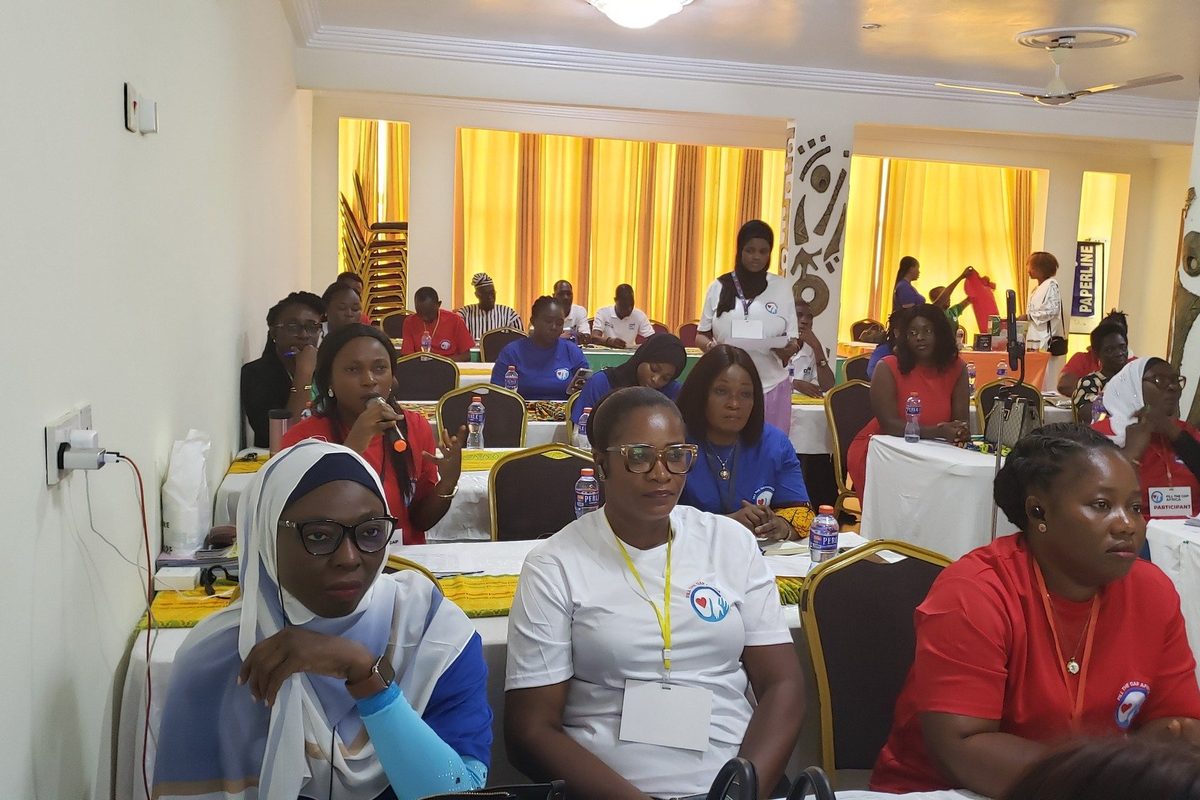
Most business training fails because it teaches a business the participant does not run. Ours starts with the stall, the stock and the notebook they already have.
On the first day, each participant writes down what they sell, what they paid for it and what they sold it for. For many, it is the first time they have seen their own margin on paper.
From there the curriculum is built around four questions: What does this cost me? What should I charge? Where does the money go? What happens if I lose a week?
Why follow-up matters more than the workshop
The first quarter after training is when new practices collapse. So every participant gets a coach for six months, with a check-in every fortnight.
What participants say
The clearest result is not a new business, it is a business that survives a bad month. Separating household money from working capital, and keeping a small buffer, changes what a family can absorb.