
Katiu Saa: the by-laws that changed a generation of girls
Community leaders, women’s groups and our team wrote local rules that protect girls’ education, and then enforced them.
Read storyWomen-led Ghanaian NGO · Est. 2011
Fill The Gap Africa works alongside underserved communities in Ghana, advancing girls’ education, women’s enterprise, dependable healthcare and a fairer green economy.
01 The gap
Across Ghana, talent is everywhere. Opportunity is not. A girl can face a marriage instead of a classroom. A woman can run a thriving trade with no access to finance. A family can live hours from basic care.
Fill The Gap Africa exists to change that equation, not with handouts, but with local leadership, practical training and partnerships that outlast us. Founded in Accra in 2011 and led by women, we work where the gap is widest.
Read our story02 What we do
Education, enterprise, health and climate are not separate problems. They are the same family, seen from four angles.
See all programs03 How we work
Programs that survive an election cycle, a funding gap and a bad harvest are built differently from programs designed for a photograph.
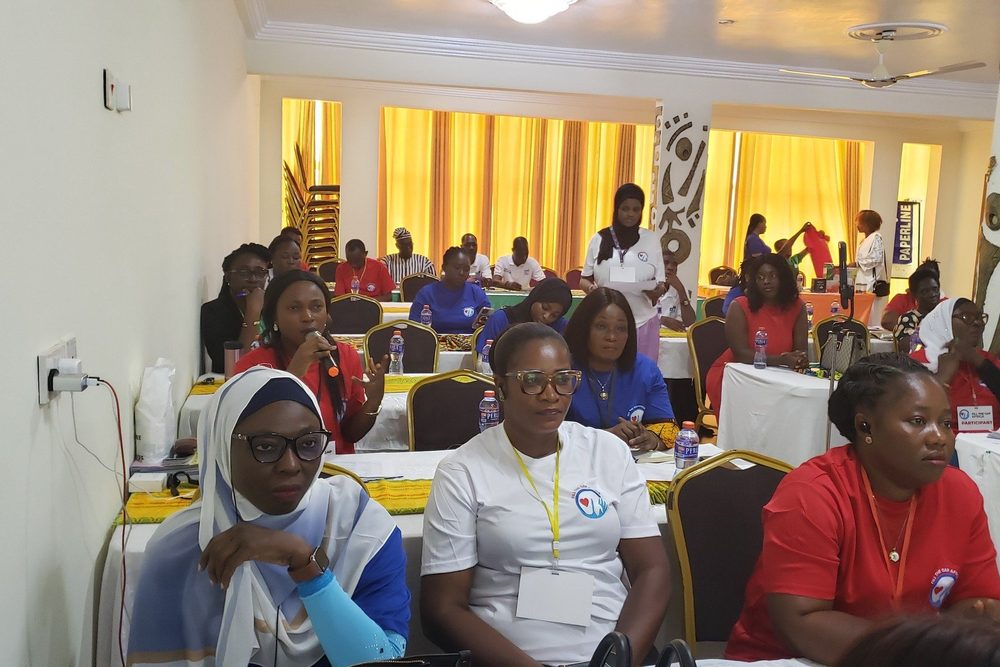
Every program starts with months of conversation with community leaders, women’s groups and local government, not a pre-written project plan.
Training is hands-on. A trader leaves with a costed business plan. A student leaves with a study routine and a mentor who checks in.
Every program has a named community lead, a simple scorecard and an annual public update.
04 From the field
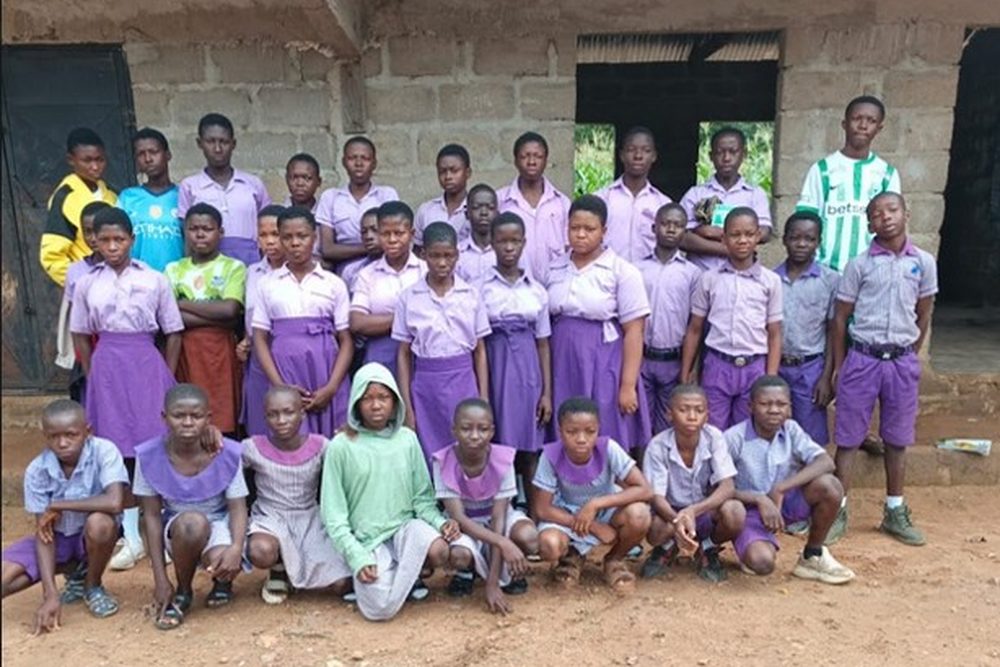
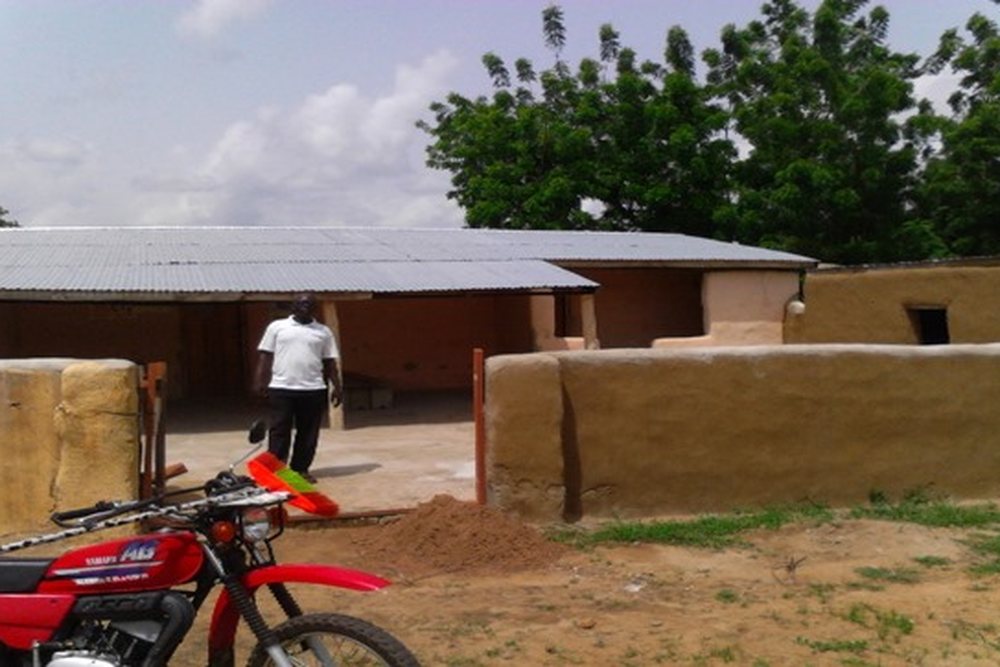
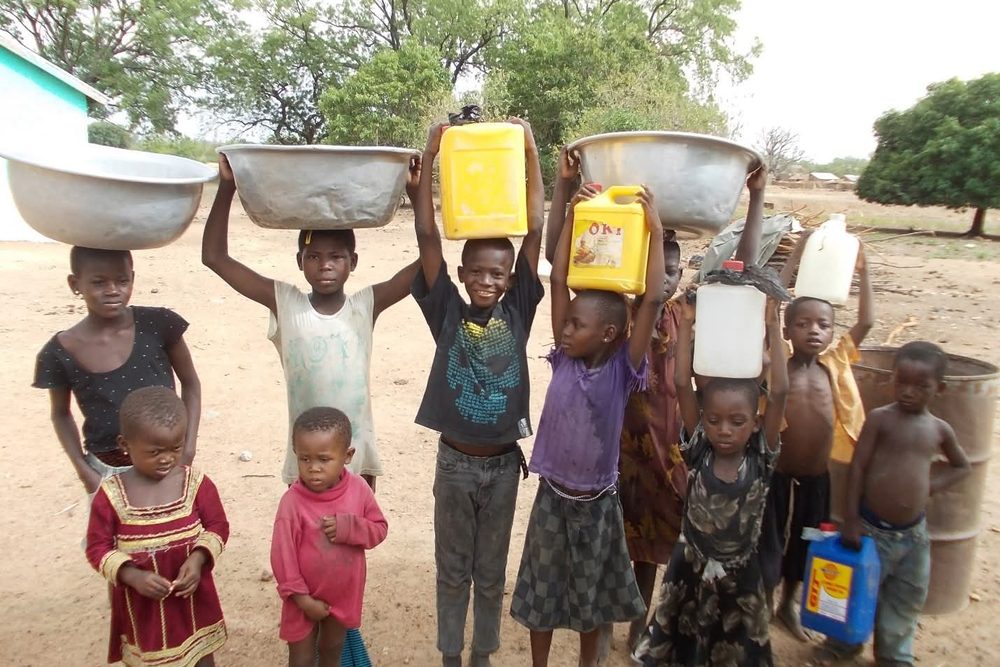
In Katiu Saa, the change did not begin with a donation. It began with a meeting: community leaders, women’s groups and our team looking at what was happening to girls, and deciding to write their own rules.
Those by-laws protect a girl’s right to stay in school. Child marriage fell from roughly 70% to 1%. Girls returned to classrooms, teenage pregnancy declined, and families began to treat school as the better investment.
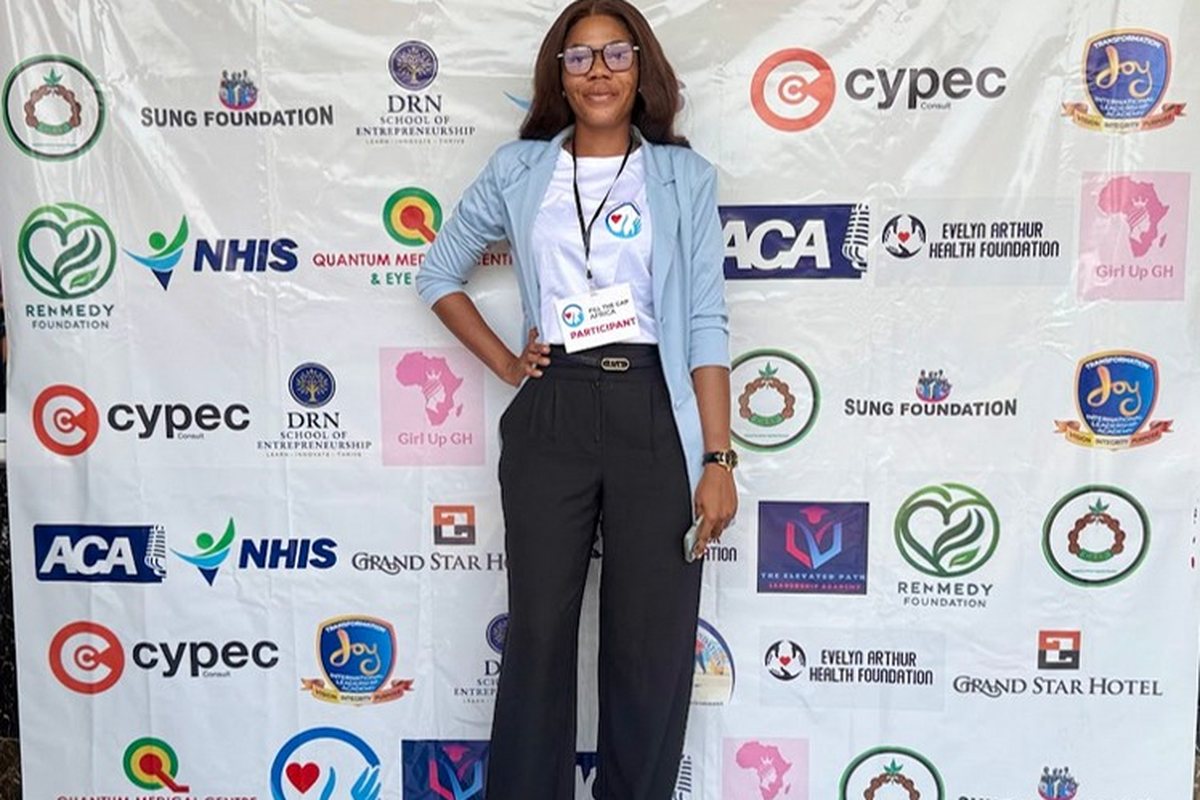
Partners & supporters
We work with institutions that stay, and with the communities that hold us to account.
05 Field notes
Updates from the communities we work with, and notes on what is working, and what is not.
All storiesCommunity leaders, women’s groups and our team wrote local rules that protect girls’ education, and then enforced them.
Read storyNo case studies about imaginary companies. Participants bring their own books, their own stock and their own margins.
Read storyA five-year agreement to source investment and deliver solar, waste-to-wealth and other green projects in Ghana.
Read story06 What’s next
Screening days, graduations and community events. Everyone is welcome.
All eventsGet involved
Give, volunteer your expertise, or partner with us on a program. Every contribution is directed by the community it serves.